Dr. Eliza Hofkosh-Hulbert, ND, LAc
Chronic Pain, Chronic Illness & Integrative Mental Health Care
NATUROPATHIC PHYSICIAN IN BALLARD, SEATTLE + WASHINGTON TELEHEALTH
I’m Dr. Eliza Hofkosh-Hulbert (she/her), a licensed naturopathic doctor and licensed acupuncturist offering integrative mental health care and chronic pain treatment for people of all bodies, genders, and cultural backgrounds.
I work with patients navigating the intersection of chronic pain and mental health concerns, and who are seeking respectful and compassionate care that sees them as a whole person.
I am not currently accepting new patients. Please contact the front desk for updates or if you would like to join my new-patient waitlist.
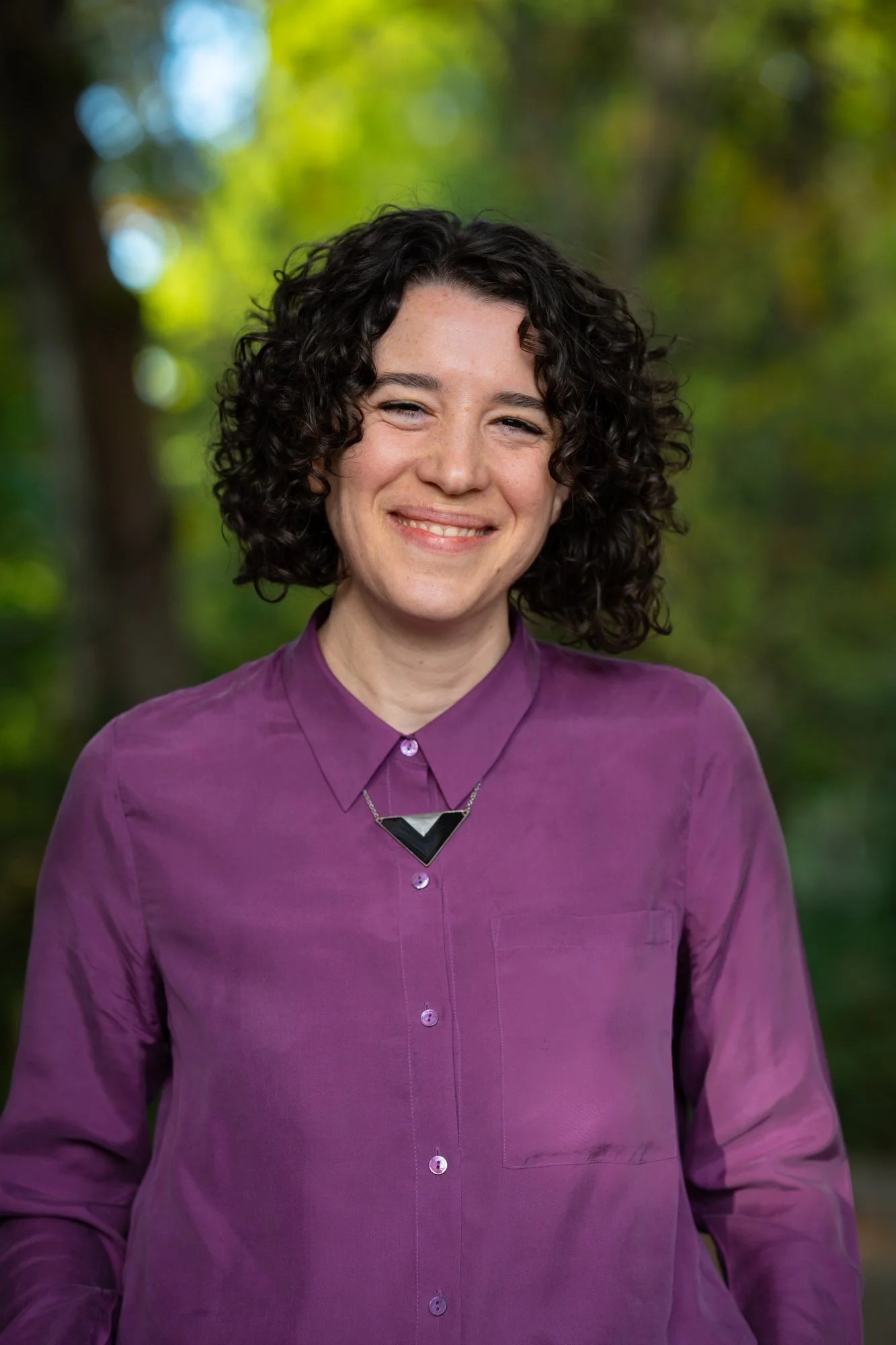
Dr. Eliza Hofkosh-Hulbert, ND, LAc
CHRONIC PAIN, CHRONIC ILLNESS & MENTAL HEALTH CARE • BALLARD, SEATTLE
Not currently accepting new patients. Please contact the front desk for updates or to join my new-patient waitlist.
I’m Dr. Eliza Hofkosh-Hulbert, a licensed naturopathic doctor and licensed acupuncturist offering integrative mental health care and chronic pain treatment for people of all bodies, genders, and cultural backgrounds.
I work with patients navigating the intersection of chronic pain and mental health concerns, and who are seeking respectful and compassionate care that sees them as a whole person.
Meet Dr. Eliza Hofkosh-Hulbert
I began working with bodies in pain in 2006 as a massage therapist. A desire to continue learning led me to an undergraduate degree in cultural anthropology, and eventually to studying naturopathic medicine and classical East Asian medicine.
My entire practice is now focused on chronic pain, chronic illness, and mental health care. I work with patients who often have been dealing with both physical and emotional pain for a long time.
Sometimes they have been trying to “push through” on their own without support. Sometimes they have met with many different specialists and received multiple diagnoses without finding relief. What all my patients share in common is that they are each seeking a different way to understand and address their suffering.
Clinical Philosophy & Approach to Care
My experience has taught me that healing happens in safe relationships, and that a strong doctor-patient relationship is a strong foundation for healing. I see my role as being a helpful navigator or guide, while each patient is the captain who sets the goals and is in charge of their own healing journey.
I work to practice health care that is trauma informed, culturally appropriate, and affirms each person’s right to make decisions for their own body and life. This practice is rooted in decades of working for health justice and learning from body liberation frameworks such as disability justice, harm reduction, and Health At Every Size.
I continue to study, learn, and grow in practice every day, and find that my patients are some of my greatest teachers.
Patients describe my style as collaborative, warm, and practical. My training provides both a wide range of treatment tools and several different “lenses” that can be used to understand the body when one system of medicine alone may struggle to explain what is happening.
Together we can explore the many interconnected factors that shape each person’s unique experience of their body—including lived experiences, genetics, neurotransmitters, hormones, digestion and the microbiome, environment, relationships, beliefs, and the systems in society that affect us.
Areas of Clinical Focus
-
I most enjoy working with people who experience a spectrum of complex conditions, including fibromyalgia and ME/CFS, chronic headaches and jaw pain, chronic neck and back pain, POTS and dysautonomia, and other interrelated concerns. My practice focuses on the intersection of chronic pain, chronic illness, and mental health.
I work with patients who have often been dealing with physical pain for a long time, including widespread body pain, headaches, back pain, and localized joint pains.
Too often these patients have been told that pain is “all in your head” or have been dismissed by past healthcare providers in other ways. Experiences of being harmed in the medical system can make it even more difficult and vulnerable to seek help.
-
I work with patients experiencing PTSD, anxiety, dissociation, depression, sleep disturbances or sleep disorders, or mood changes, often alongside chronic pain and illness.
Depending on what is needed, our work may include pain counseling and neuroscience education, somatic counseling and practices, prescription medications, botanical medicines, and collaboration with other specialists.
My experience has taught me that healing happens in safe relationships.
-
My treatment tools include acupuncture, cupping, moxibustion, medical qigong, and other classical East Asian medicine treatments.
My training includes two years of mentorship in Chinese medicine psychiatry. I continue to study and practice the Shen-Hammer Contemporary Chinese Pulse Diagnosis system, which emphasizes the relationship between mental-emotional and physical health.
-
I use gentle bodywork, including craniosacral therapy, myofascial release, and visceral manipulation.
When it is appropriate and welcome, hands-on treatment may include somatic counseling techniques, such as talking about emotions or sensations in the body as they are happening, or practicing interacting with body sensations in different ways.
-
Depending on what is needed, treatment plans can include Western and Chinese botanical medicines, nutrient supplements, prescription medications, and creating routines and habits to support patient goals—sometimes called “lifestyle medicine.”
These are treatment modalities and approaches to my practice in chronic pain, chronic illness, and mental health care. Patients and I always decide on treatment plans together, and we make changes to those plans together as well.
My work with patients includes weight-neutral nutrition counseling, standard and functional lab testing, and creating routines and habits to connect with nature and support patients’ goals
Background, Credentials, and Clinical Experience
I earned an undergraduate degree in cultural anthropology before attending the National University of Natural Medicine in Portland, Oregon, where I pursued both a doctorate of naturopathic medicine and a master’s degree in classical East Asian medicine.
My studies there included several important teachers who generously invited me to practice within lineages of East Asian medicine, including two years of mentorship in Chinese medicine psychiatry with Brandt Stickley, LAc.
After graduation and licensing in 2018, I completed a two-year CNME-accredited primary care residency in Portland with a focus on complex chronic illness and mental health.
I then worked for several years as a primary care provider offering culturally appropriate and gender-affirming care for my LGBTQIA2S+ community as part of a general family practice, while also continuing to provide acupuncture and bodywork treatment for patients in chronic pain.
In my current practice, I continue to pursue continuing education to better support my patients. My ongoing studies are focused in evidence-based psychiatric prescribing, counseling techniques, cutting-edge pain science, classical East Asian medicine, and other hands-on treatment techniques.
I am a member of the Psychiatric Association of Naturopathic Physicians and the Neuroscience Education Institute.
Licensure:
Dr. Hofkosh-Hulbert is licensed as a naturopathic doctor in Washington and Oregon. WA License #: NT61539016 | OR License #: 4199
Dr. Hofkosh-Hulbert is a licensed acupuncturist in the state of Washington. WA License # AC61540192
What Working With Dr. Hofkosh-Hulbert Looks Like
-
01. Getting to Know Each Other
In the first visit, we will spend about an hour talking about your history and current symptoms, getting to know each other, and taking the first steps to make a treatment plan together.
This includes deciding how often to meet and what kinds of assessment and treatment tools to include in our plan.
-
02. Talking, Learning & Making Decisions Together
In follow-up visits, often the first half of each hour is spent in my office talking.
This can include checking in about symptoms and progress, talking through the pros and cons of different treatment options together, discussing lab results in depth, doing pain counseling or therapeutic pain neuroscience education, practicing coping strategies or new somatic skills together, deciding on a new routine to help support the body between appointments, and more.
-
03. Hands-On Treatment
In the second half of the hour, we often do some hands-on treatment such as acupuncture, craniosacral therapy, or visceral manipulation.
When it is appropriate and welcome, this may include talking about emotions or sensations in the body as they are happening, or practicing interacting with body sensations in different ways.
-
04. Making Changes Together
For some patients, visits are structured differently if a different rhythm in our appointments may better meet their needs.
Patients and I always decide on treatment plans together, and we make changes to those plans together as well.
Care Access & Availability
I am not currently accepting new patients.
Please contact the front desk for updates or if you would like to join my new-patient waitlist. The front desk can also help with questions about insurance and existing appointments.
Frequently Asked Questions
-
I am not currently accepting new patients. Please contact the front desk for updates or if you would like to join my new-patient waitlist.
-
My entire current practice is focused on chronic pain, chronic illness, and mental health care. Although my background includes primary care, the treatment modalities and approaches described here are used within that current focus.
-
I do provide mental health counseling, but I am not a mental health therapist by training. I have studied as a beginner in several different counseling approaches, including CBT, DBT, IFS/parts work, interpersonal neurobiology, and several somatic, or body-based, methods.
My perspective on counseling is also informed by my Chinese medicine training and by ongoing practice in the Jinjing Gong lineage of qigong, a movement practice rooted in Daoism.
I often encourage patients to work with a licensed mental health counselor alongside working with me, and find that the two approaches work well together.
-
I often manage medications for my patients and am familiar and comfortable prescribing many common psychiatric and pain management medications.
However, I do not have the same depth of specific training as a psychiatrist, and there are limits to my prescribing scope as a naturopathic doctor. I will sometimes recommend patients work with a psychiatrist or psychiatric nurse practitioner if access to certain medications may be helpful.
-
I enjoy collaborating with other healthcare providers and welcome communication from other members of my patients’ care teams.
-
In follow-up visits, we often spend part of the hour talking and part doing hands-on treatment. For some patients, visits are structured differently if a different rhythm may better meet their needs. We decide on treatment plans together and make changes together as well.
Explore Services Provided by Dr. Eliza
What Keeps Me Joyful
You can often find me cooking with friends and chosen family, organizing for justice and liberation in my communities, hanging out with trees, or taking pictures of my dog and cat snuggling together.
I moved to Seattle in 2024 after living in Oregon for many years and growing up on the East Coast. I am grateful to the Duwamish and Coast Salish people who continue to steward their land where I now live.
Work with One Connection Healthcare |
Work with One Connection Healthcare |
Contact & Waitlist
I am not currently accepting new patients. Please contact the front desk for updates or if you would like to join my new-patient waitlist.
