
Injection Therapy in Ballard, Seattle
Gentle, trauma-informed injection therapy to support chronic pain, muscle tension, nervous system regulation, scar tissue, and movement in Seattle.
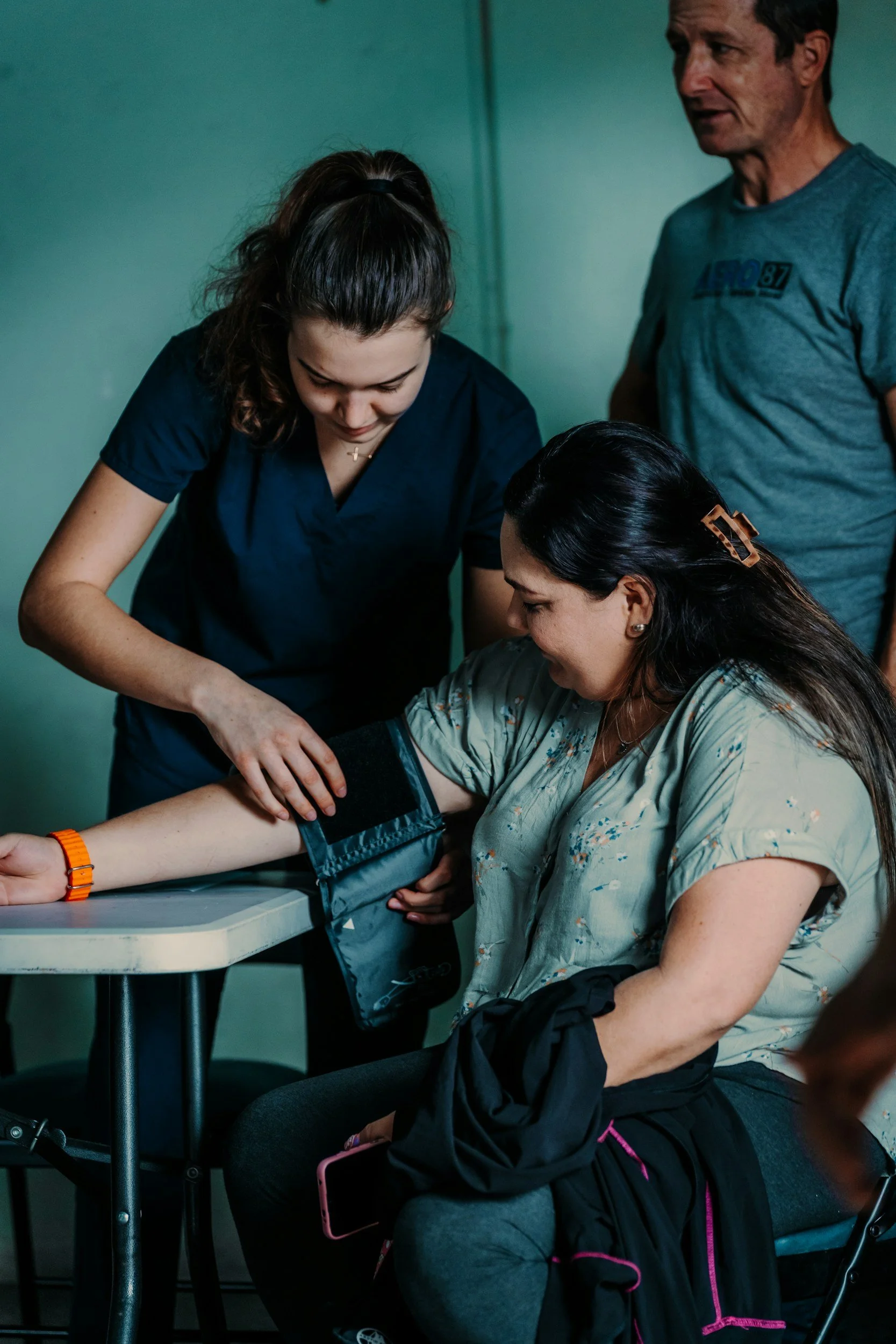
What Is Injection Therapy?
If you're living with chronic pain, tight muscles, recurring injuries, or areas of your body that never seem to fully relax, you're not alone.
Maybe you've tried massage, chiropractic care, stretching, physical therapy, or exercise but still feel like your body returns to the same painful patterns. Perhaps your muscles feel tight no matter what you do, scars continue to pull or itch years after surgery, or joint instability makes movement feel unpredictable.
Injection therapy offers another option.
At One Connection Healthcare, we use trigger point injections and neural therapy as part of a comprehensive approach to restoring healthy movement, reducing pain, and helping your nervous system function more efficiently. Rather than simply treating isolated symptoms, we look at how muscles, fascia, nerves, scars, and movement patterns work together throughout the body.
Who Can Benefit from Injection Therapy?
Injection therapy may benefit adults—and in some cases older teens—experiencing persistent pain, muscle tension, or nervous system dysfunction.
This treatment is often especially helpful for people who:
Live with chronic pain
Experience recurring muscle tension
Have joint hypermobility
Recover from surgery or injuries
Have painful or restrictive scar tissue
Experience fibromyalgia
Struggle with chronic headaches or migraines
Have limited range of motion
Feel like previous therapies only provide temporary relief
Want a more integrated approach to pain management
Injection Therapy May Help Treat
Every patient is different. During your appointment, we'll determine whether injection therapy is appropriate based on your symptoms, goals, and overall treatment plan.
Muscles & Movement
Chronic pain
Trigger points
Tight muscles
Reduced range of motion
Fibromyalgia
Chronic musculoskeletal injuries
Nervous System Support
Neural tension
Tension headaches
Migraines
Nervous system dysregulation
Frequent sprains
Joint hypermobility
Scar & Tissue Health
Surgical scars
Adhesions
Scar tissue discomfort
Post-surgical healing
Fascial restrictions
Chronic tissue irritation
Our Clinical Lens, Treatment & Injection Approach
Injection therapy is one of many tools we use to help restore movement, reduce pain, and improve nervous system function. Depending on your needs, your treatment may include trigger point injections, neural therapy, or a combination of manual therapies and injections during the same visit.
-
A trigger point is a place where the muscle is so tight it clamps down upon the nerve, prohibiting the nerve's proper functioning. Most people think of these as 'knots' in their muscles, often when pressed, these will produce pain in other parts of the body. For instance a trigger point in a shoulder muscle can 'radiate' pain into the ear and head. These are addressed by injecting a substance that releases the muscle tension, restoring function to the nerves.
-
The autonomic nervous system (ANS) is in charge of managing the current function of the body. When pain issues become chronic, a common cause of continued pain is that the ANS becomes confused as to how to correct the issue. By using injection therapies, we can reset the ANS response to restore the correct function, improving or completely alleviating the offensive situation.
-
These injections have can have several ingredients:
Procaine: This is an anesthetic that is given to promote lymph dilation and healthy nerve conduction to assist in healing and pain reduction
Traumeel or Lymphomyosot: Homeopathic formulas given to promote pain reduction and stimulation of lymph flow to promote healing
Saline: Sodium chloride given to dilute the other substances as well as to promote healthy nerve conduction to reduce pain.
-
There are no specific aftercare requirements following treatment. Movement is encouraged to promote blood flow and healing of the muscles. Staying well hydrated can also help support your body's healing process after the injections. If you feel sore, an Epsom salt bath with at least 2 cups of Epsom salts is recommended.
What Makes Injection Therapy at One Connection Healthcare Different?
Injection therapy at Seattle’s One Connection Healthcare is rarely a stand-alone procedure. Our providers combine detailed assessment, manual therapy, and trauma-informed care to create treatment plans that address both immediate symptoms and long-term healing.
Our clinicians bring cumulative decades of experience assessing the body's tension patterns and nervous system function. Through thoughtful assessment and the integration of multiple treatment modalities, injection therapy becomes one part of a comprehensive approach to supporting long-term healing rather than simply addressing pain in the moment.
We also understand that needles and injections can feel intimidating. Our trauma-informed clinicians explain each step of the process, move at your pace, and create space for questions along the way to reduce fear, build trust, and help you feel supported throughout your treatment.


What to Expect During Your Trigger Point Injection or Neural Therapy Appointment
-
01. Assessment
Every injection therapy visit begins with an assessment of your body's tension patterns, pain, range of motion, and overall musculoskeletal function. We'll discuss your symptoms, determine whether injection therapy is appropriate, and review how it may fit into your broader treatment plan.
-
02. Treatment
Before treatment begins, your provider will explain the injection plan, answer any questions, and obtain your verbal consent. Depending on your needs, treatment may involve anywhere from 1–20 injections. Injections may be placed into muscles or just beneath the skin and are sometimes combined with manual therapy during the same visit.
-
03. Recovery & Next Steps
Most injection therapy appointments last 30–60 minutes, including assessment, treatment, and any additional therapies. After your visit, gentle movement and staying well hydrated are encouraged to support healing. Some people notice immediate relief, while others improve gradually over the following days or up to two weeks. If additional treatment is recommended, your provider may suggest appointments every 2–4 weeks.
What You May Notice Over Time
Every person's experience is unique. Patients commonly report:
Less pain
Better range of motion
Improved joint stability
Less nervous system tension
Fewer trigger points
Easier movement
Gradual improvement after treatment
Sometimes immediate relief
Care That Meets You Where You Are
You remain in control throughout treatment.
We explain every step, pause whenever needed, and adapt treatment to your comfort level. Blankets, heating pads, and pacing strategies are available for patients who feel nervous about needles. Emotional releases—particularly around scar treatment—are welcomed with compassion and care.
BOOK APPOINTMENT TODAY |
BOOK APPOINTMENT TODAY |
Related Services to Injection Therapy
Many patients receiving injection therapy also benefit from other services depending on their symptoms and goals.

Frequently Asked Questions About Injection Therapy
Have questions? We’ve got answers! Check out these FAQs. If you don’t see your question answered here, get in touch.
-
We bill insurance for the injection procedure. The cost of the injectable (procaine, traumeel and lymphomyosot) is not covered and is billed as a non covered fee at $40-$55 depending on volume of injectable used.
-
If you are out of network or uninsured we bill for a standard office visit plus the supply fee mentioned above. Please call the office for our current office visit rates.
-
If you are an existing patient you do not need a referral and you can discuss with your provider if the treatment is right for you. Not all of our providers offer injection therapies although many do. If your provider does not offer this service they can recommend which provider to schedule with.
If you are not an existing patient of our clinic you would need to have a brief visit to initiate injection therapy. Often this can be done just before the first treatment. If you have a provider who wants to refer you we always appreciate having information around your care prior to your appointment, but a referral is not mandatory.
-
Needle size can vary, but needles are quite small (narrow). Often needles are 25-27g, some can be quite short and others longer if accessing deeper muscles.
For reference, these needles are more similar to acupuncture needles and much smaller than those used to draw blood.
-
Anytime we inject into the body there is a risk of infection, this risk is very low and when proper technique used is minimal to none.
Some bleeding or bruising can be common and bruising typically improves within a few days.
Some tenderness or numbness at the injection site is also possible and also can improve within a few days
-
You do not need to limit any activity after a treatment. In fact, moving your body after treatment with walking and gentle exercise often can feel good and can support the treatment.
-
The number of treatments depends on your condition, goals, and how your body responds. Some people experience meaningful relief after one visit, while others with chronic pain or longstanding injuries may benefit from a series of treatments spaced every two to four weeks. Your provider will discuss recommendations based on your individual needs.
-
Everyone experiences injections differently, and some discomfort during treatment is normal. Your provider will explain each step of the process, review the treatment plan with you beforehand, and move at a pace that feels manageable.
Some injections may be more sensitive than others, particularly around areas of chronic tension or scar tissue. If needed, we can pause at any time, and you're always in control of the pace of treatment. Blankets, heating packs, and something to squeeze are available if you're feeling nervous.
After treatment, it's common to experience mild soreness or bruising for a day or two. Gentle movement, staying well hydrated, and an Epsom salt bath can help support your recovery.
Ready to Explore Whether Injection Therapy Is Right for You?
Whether you're navigating chronic pain, muscle tension, scar tissue, or nervous system patterns that haven't responded to other treatments, our team is here to help you explore your options with thoughtful, whole-person care.
