Hi, I’m Misty Saracino (she/her). Many clients come to me feeling exhausted after years of trying to control their bodies, suppress their needs, or “do recovery perfectly.” Some feel disconnected from hunger, fullness, movement, or joy. Others are overwhelmed by shame, confusion, or fear that things will never get better.
Together, we work toward building a more compassionate and sustainable relationship with food, exercise, and body.
I see my role as a guide and support person — someone who offers structure, accountability, encouragement, and practical tools while clients do the deeply vulnerable work of reconnecting with themselves.
Because I have personally recovered from an eating disorder, I understand how isolating and overwhelming recovery can feel. I want clients to feel seen, supported, and held by someone who genuinely understands the complexity of this work.
What becomes possible when your life is no longer organized around shrinking yourself?
Misty Saracino, MPH Eating Disorder Recovery Coaching
FAT-POSITIVE RECOVERY COACHING ROOTED IN COMPASSION, ACCOUNTABILITY, COLLABORATION, AND FREEDOM FROM DIET CULTURE.
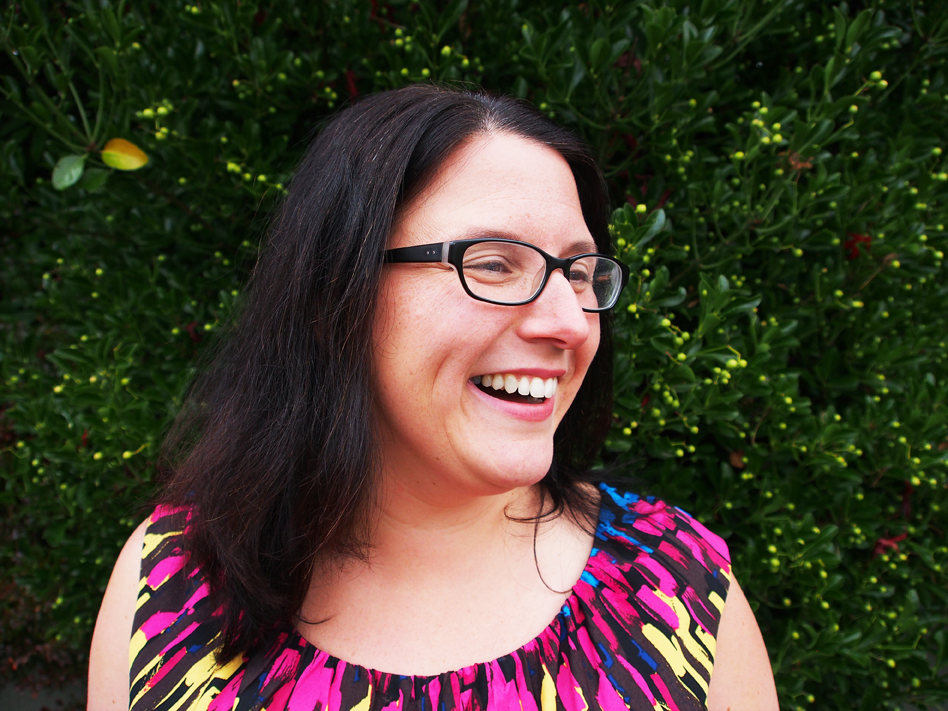
Misty Saracino
EATING DISORDER RECOVERY COACHING
Many clients come to me feeling exhausted by years of restriction, shame, food rules, or feeling disconnected from themselves. Together, we work toward building a more compassionate and sustainable relationship with food, movement, and body.
Meet Misty Saracino
My path into eating disorder recovery work was not linear.
Before becoming a recovery coach, I spent years working as a research scientist after earning a PhD in Molecular Microbiology and a Master of Public Health in Epidemiology. Eventually, I realized I wanted to shift my work toward directly supporting people in healing their relationships with food and body.
That transition was also deeply personal.
As someone who has personally recovered from an eating disorder, I know how painful it can feel to move through the world disconnected from your body and trapped in cycles of shame, fear, perfectionism, and self-surveillance.
I also know recovery is possible.
Today, I bring both lived experience and professional training into my coaching work with warmth, honesty, compassion, and deep respect for the complexity of being human.
A Fat-Positive and Collaborative Approach to Recovery Coaching
My coaching work is rooted in the belief that all bodies deserve dignity, care, nourishment, and respect.
I practice through a Health at Every Size® and social justice lens, helping clients untangle harmful beliefs about food, movement, weight, and worthiness while building more compassionate ways of caring for themselves.
Coaching with me is not about rigid rules, perfection, or forcing recovery on a timeline.
It’s about helping clients reconnect with their bodies, identify their needs, challenge harmful patterns, and create sustainable ways of supporting themselves.
Some clients come to coaching wanting accountability around meals and recovery goals. Others need support stepping away from chronic dieting, compulsive exercise, or shame-based relationships with food and body.
Together, we work to build trust, flexibility, self-compassion, and greater freedom over time.
Areas of Coaching Support
-
Support for individuals navigating recovery from eating disorders, including building consistency with nourishment, reducing eating disorder behaviors, increasing coping skills, and reconnecting with life outside of the disorder.
-
Coaching support for people ready to step away from restrictive dieting, food rules, and cycles of guilt and control in order to build a more sustainable and compassionate relationship with food and body.
-
Collaborative support around meal planning, nourishment consistency, recovery goals, and navigating the challenges that can arise during eating disorder recovery.
-
Support for rebuilding trust with your body, challenging shame-based beliefs, and developing a more compassionate, respectful, and sustainable relationship with yourself.
-
Recovery coaching that considers executive functioning, sensory needs, routines, rigidity, burnout, and other neurodivergent experiences that may impact food, movement, and recovery.
-
Additional recovery support that works alongside your existing treatment team to help reinforce goals, increase accountability, and provide practical day-to-day recovery support.
What Coaching with Misty Looks Like
Recovery coaching is collaborative, practical, supportive, and tailored to your needs.
Some sessions may focus on meal support, processing barriers to recovery, body image challenges, movement relationships, or identifying coping tools that feel sustainable and compassionate.
Other sessions may focus more on accountability, goal-setting, navigating difficult emotions, or learning how to care for yourself without punishment or rigid control.
I often work closely with therapists, dietitians, physicians, and treatment teams when clients want collaborative support toward shared goals.
I also understand that recovery rarely happens in a straight line. My goal is not perfection — it’s helping clients build enough support, flexibility, and self-trust to continue moving toward healing.
I strive to create a space where clients feel welcomed as their full selves.
Training and Experience
My work is grounded in both professional training and lived experience.
I hold a PhD in Molecular Microbiology from Stony Brook University and a Master of Public Health in Epidemiology from the University of Washington.
Before becoming a recovery coach, I worked for several years as a research scientist before transitioning into eating disorder recovery work. I later completed coach training, built a private practice, and worked as a milieu therapist within a higher level of eating disorder treatment setting.
My approach continues to be shaped by both my professional background and my own lived experience recovering from an eating disorder.

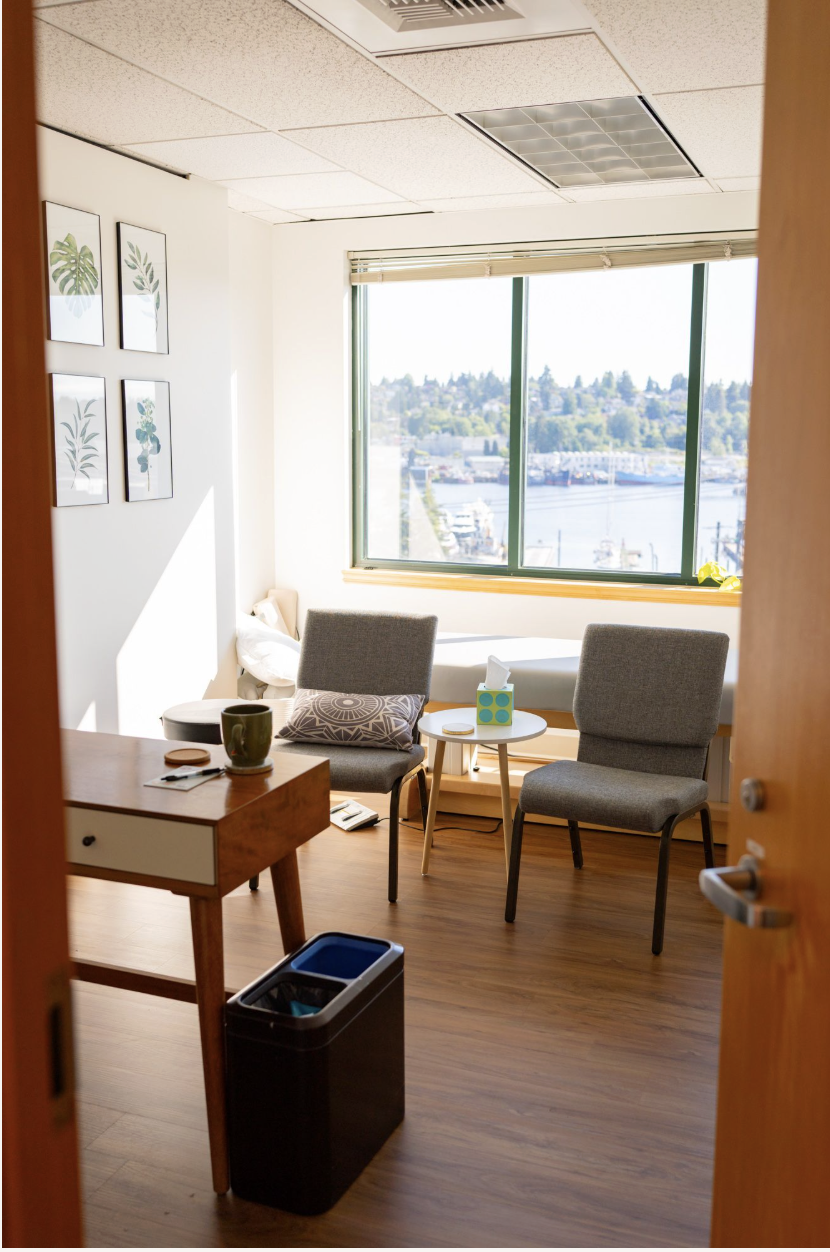
Care Access
Misty offers virtual coaching throughout Washington and provides sliding scale options and scholarships for support groups in order to reduce barriers to care whenever possible.
Coaching services are private pay and are not billable through insurance.
If you’re unsure whether coaching is the right fit, a free 30-minute consultation can help determine what type of support may feel most helpful for you.
Frequently Asked Questions
-
Recovery coaching is more action-oriented and focused on providing practical support, accountability, skill-building, and encouragement throughout the recovery process. While therapy often focuses more deeply on mental health diagnosis, trauma processing, and psychotherapy interventions, recovery coaching helps clients apply recovery tools in day-to-day life and navigate the challenges that arise between sessions. Coaching can also work well alongside therapy and nutrition support as part of a collaborative care team.
-
No. Many people seek recovery coaching because they feel stuck in cycles of chronic dieting, food guilt, compulsive exercise, body shame, or disordered eating patterns — even if they do not have a formal diagnosis. You do not need to “prove” your struggles are serious enough in order to deserve support.
-
Coaching sessions are collaborative and tailored to your current needs, goals, and stage of recovery. Sessions may include meal support, recovery planning, accountability around goals, navigating barriers to nourishment, processing body image challenges, exploring movement relationships, or building coping tools and self-compassion practices. Some sessions are more practical and structured, while others focus on emotional support and helping clients feel less alone in recovery.
-
Yes. Sliding scale spots are available in an effort to help reduce barriers to care whenever possible. If cost is a concern, we encourage you to reach out and discuss available options during your consultation call.
What Keeps Me Joyful
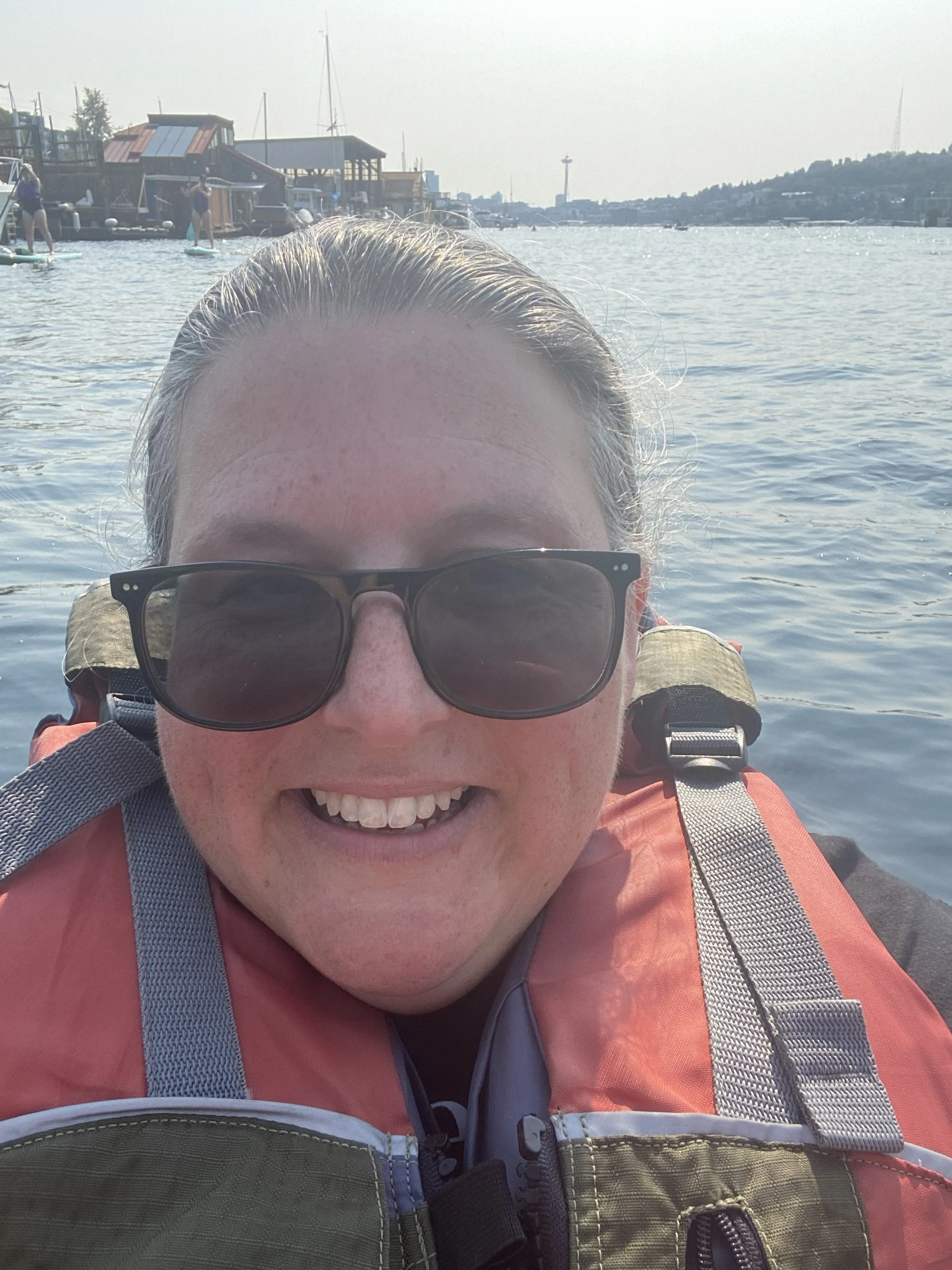
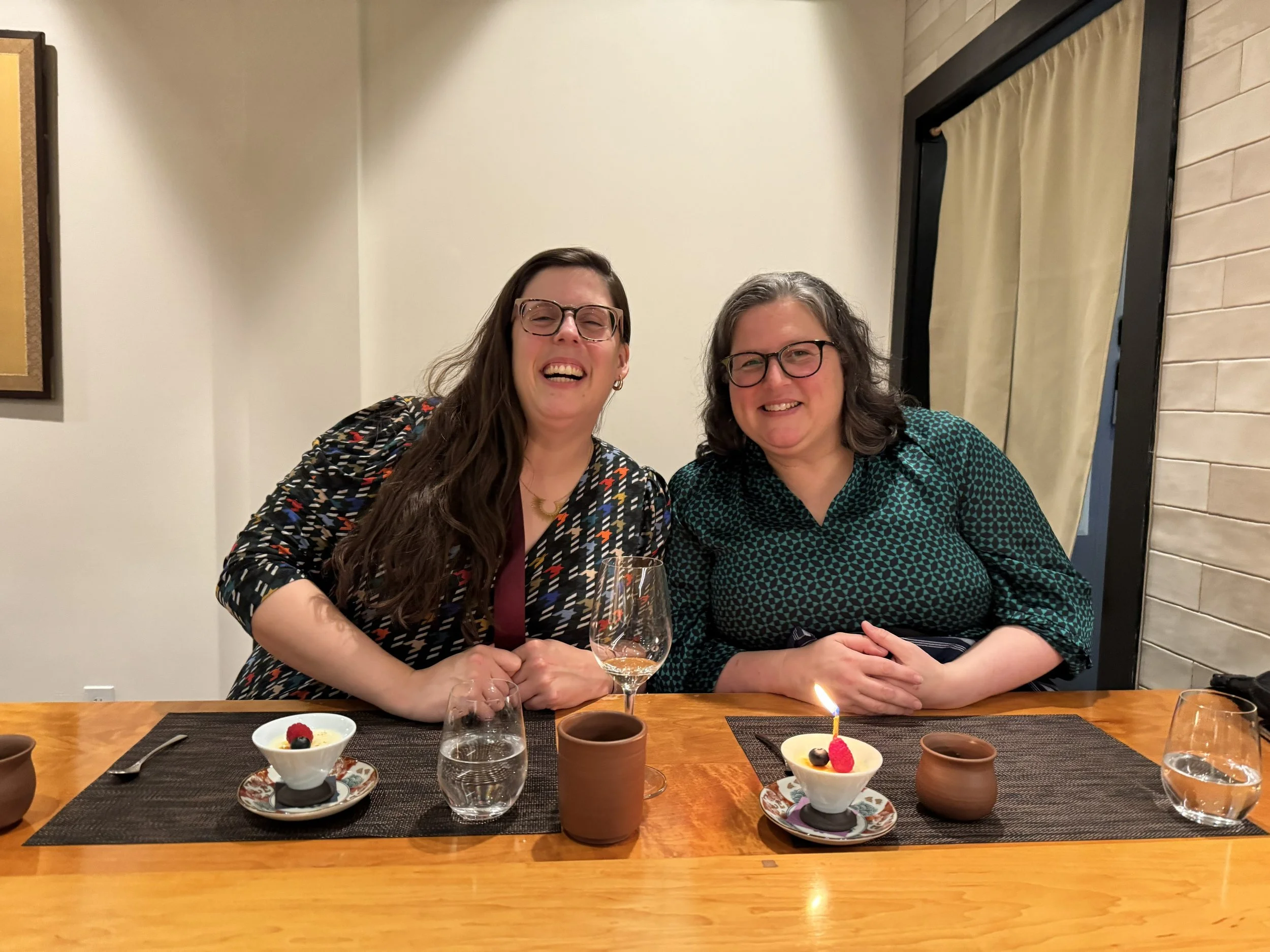
Family is everything to me and I find joy in the simple, day-to-day moments of life. Slow weekend mornings at home connecting with my family over coffee and taking casual strolls in the neighborhood are my jam. I also love getting lost in a puzzle, watching my puppies frolic at the dog park, and trying new restaurants with friends and family.
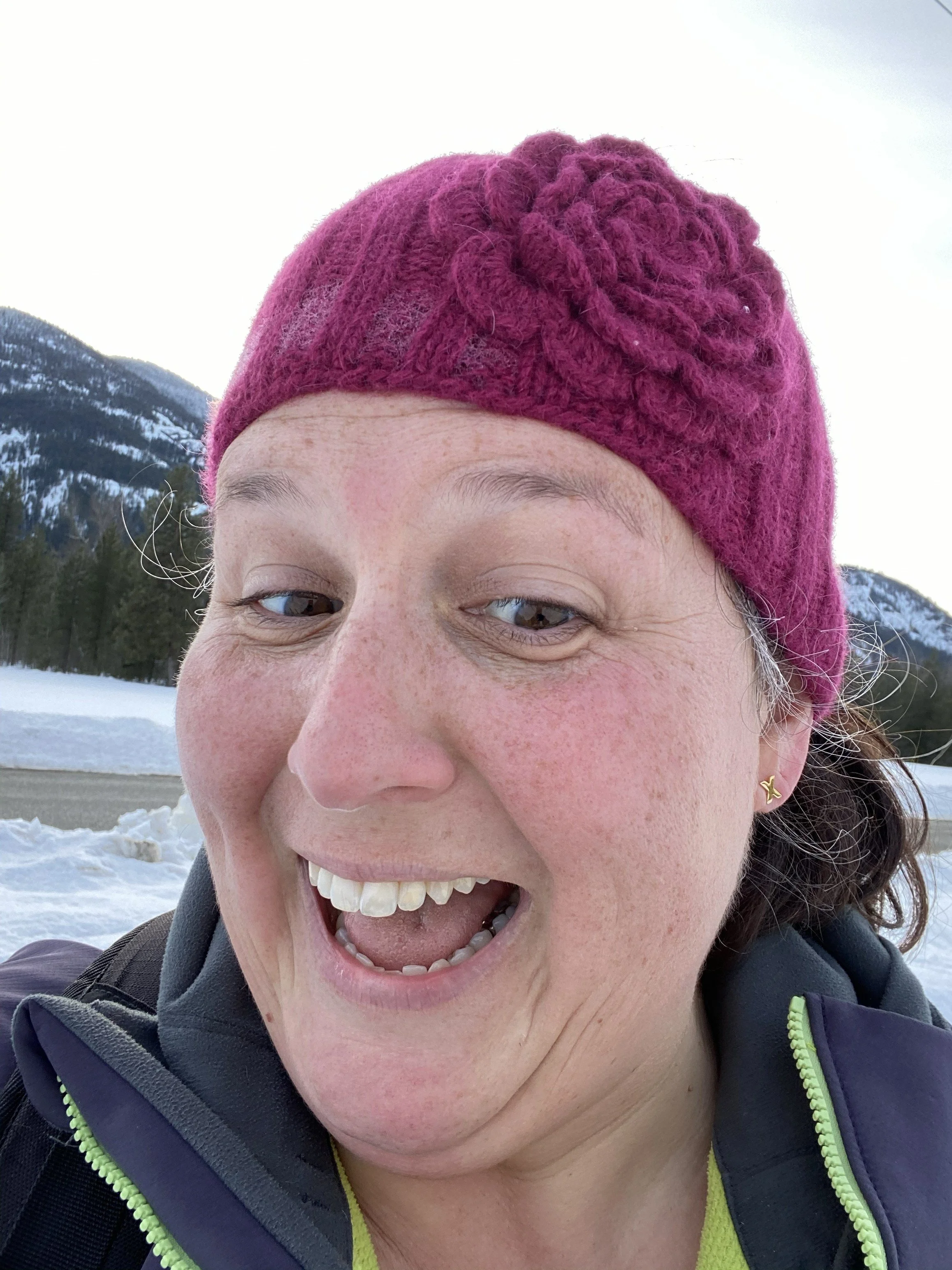
Although a homebody at heart, one of my greatest pleasures is being surrounded by snow and crisp mountain air. I feel most alive and connected to nature on a pair of Nordic skis … and nothing beats an apres-ski soak in the hot tub with a cold beer.
Work with Misty |
Work with Misty |
Partner in Your Healing with Misty
If you’re looking for eating disorder recovery support that is affirming, collaborative, practical, and dedicated to help you reconnect with yourself rather than punish yourself, I’d love to support you.
